
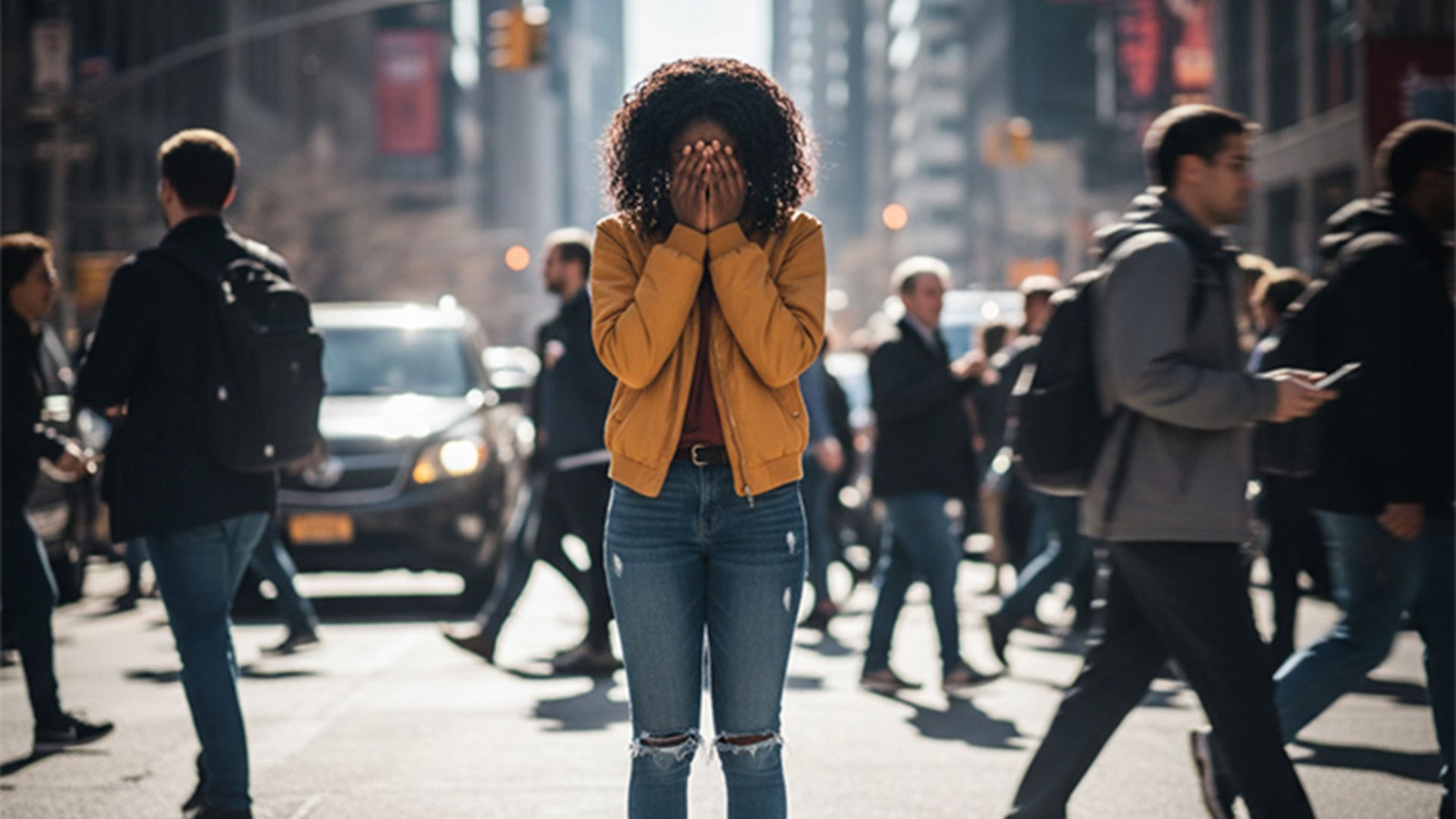
Moving to a new country can be one of the most exciting experiences in life. It brings new opportunities, career growth, education, and the chance to build a better future. However, behind the excitement, many immigrants face a hidden emotional challenge — loneliness.
At BrightMind Wellness, we understand that adjusting to life in a new country can impact mental wellbeing in many ways. Feelings of isolation, homesickness, and emotional stress are common among immigrants, especially during the early stages of relocation.
Understanding these emotional experiences is the first step toward protecting mental health and building a fulfilling life in a new environment.
Why Moving to a New Country Can Feel Emotionally Challenging
Relocating to another country often means leaving behind family, friends, cultural familiarity, and support systems. Even when the move is planned and positive, it can still create emotional stress.
Common adjustment challenges include:
• Language barriers
• Cultural differences
• Limited social connections
• Financial stress
• Career or educational pressure
• Missing family and familiar surroundings
These challenges can gradually lead to feelings of isolation and emotional exhaustion.
Common Signs of Loneliness in Immigrants
Loneliness after migration can appear in many ways. Some people recognize it immediately, while others experience subtle emotional changes over time.
Some common signs include:
• Persistent homesickness
• Feeling disconnected from people around you
• Lack of motivation or enthusiasm
• Increased stress or worry
• Difficulty making new friends
• Sleep problems or fatigue
• Feeling emotionally overwhelmed
If these feelings persist for a long time, they can affect overall mental health and daily functioning.
Mental Health Conditions Linked to Immigration Stress
Adjusting to a new environment can sometimes lead to deeper emotional challenges. Immigrants may experience mental health conditions such as:
Depression
Prolonged loneliness can increase the risk of depressive symptoms, including sadness, low energy, and loss of interest in activities.
Anxiety Disorders
Uncertainty about work, immigration status, finances, or social acceptance can trigger anxiety.
Adjustment Disorder
Many immigrants experience adjustment disorder while adapting to a new culture, lifestyle, and expectations.
Chronic Stress
Balancing cultural identity while adapting to a new society can create long-term emotional stress.
Seeking early support can help prevent these challenges from becoming overwhelming.
Cultural Identity and Emotional Wellbeing
Another common struggle immigrants face is balancing their cultural identity with the expectations of a new society. Many individuals feel pressure to adapt quickly while also trying to preserve their traditions and values.
This experience, often called cultural transition stress, can make people feel like they belong neither fully to their home country nor their new country.
Mental health support can help individuals navigate this transition with confidence and emotional resilience.
Healthy Ways to Cope With Loneliness After Moving Abroad
Although loneliness can feel overwhelming, there are effective ways to cope and rebuild a sense of connection.
Some helpful strategies include:
Building New Social Connections
Joining community groups, cultural organizations, or social clubs can help build friendships and support networks.
Staying Connected With Family
Regular video calls with loved ones can help reduce homesickness.
Maintaining Cultural Traditions
Cooking familiar food, celebrating cultural holidays, or connecting with people from similar backgrounds can provide comfort.
Practicing Self-Care
Exercise, mindfulness, and hobbies can improve mood and emotional balance.
Seeking Professional Support
Mental health professionals can provide coping tools and emotional guidance during difficult transitions.
The Importance of Mental Health Support for Immigrants
Mental health support can make a significant difference for immigrants experiencing loneliness or emotional stress.
Professional care can help individuals:
• Process emotional challenges related to relocation
• Build coping strategies for loneliness and anxiety
• Improve confidence in social situations
• Navigate cultural adjustment
• Develop a healthier mindset during life transitions
At BrightMind Wellness, compassionate mental health professionals work with individuals from diverse backgrounds and understand the unique emotional challenges immigrants may face.
When to Seek Professional Help
If feelings of loneliness or emotional distress begin to affect daily life, work performance, relationships, or sleep patterns, it may be time to seek professional guidance.
Mental health care can provide a safe space to talk about experiences, fears, and emotional struggles without judgment.
Early support often leads to faster recovery and improved wellbeing.
Building a Healthy Life in a New Country
Although the early stages of migration can feel difficult, many immigrants gradually build meaningful lives, strong communities, and emotional stability in their new country.
With the right support, coping strategies, and mental health care, it is possible to transform loneliness into growth, resilience, and belonging.
Compassionate Mental Health Support in Pennsylvania
If you or someone you know is struggling with loneliness after moving to a new country, professional support can help.
At BrightMind Wellness, individuals can receive compassionate mental health care focused on emotional wellbeing, adjustment support, and long-term resilience.
Seeking help is not a sign of weakness — it is a step toward healing and building a balanced life in a new environment.